Skip to content Skip to footer

Food Waste

Food waste is a pressing global issue, with nearly one-third of food produced for human consumption wasted. Hydroponics contributes to reducing this waste in several ways: Localized Production: Growing food closer to consumers reduces transport time and spoilage. Controlled Environment: Hydroponics allows for precise cultivation, minimizing the chances of crop failure and waste Sustainable Production: By ensuring that produce is harvested at peak freshness and delivered quickly, hydroponics promotes a more sustainable approach to food production and directly combats food waste.

Current Situation

Mainland China

Statistics: The National Development and Reform Commission reported that China wastes around 35 million tons of food annually, which could feed approximately 100 million people.

Government Action: In 2020, China launched a “Clean Plate Campaign” aimed at reducing food waste at all levels, from households to restaurants.

Legislation: The government has been working on policies to promote food waste reduction, including stricter regulations for food waste disposal and incentives for businesses to minimize waste

Learn more

Hong Kong, SAR

Statistics: Approximately 3,200 tons of food waste are generated daily, accounting for about 40% of the total municipal solid waste.

Initiatives: The Hong Kong government has implemented the Food Waste Reduction Campaign, promoting food donation and composting initiatives to tackle this issue.

Learn more

Water

Water Efficiency

Hydroponics uses up to 90% less water than traditional agriculture due to its closed-loop systems, where water is recirculated. This method minimizes evaporation and runoff, ensuring that every drop counts.
Water Recycling

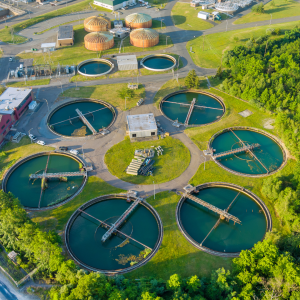
Recirculation Systems: Water is pumped back into the system after passing through the plant roots, allowing nutrients to be reused and reducing overall consumption.
Rainwater Harvesting

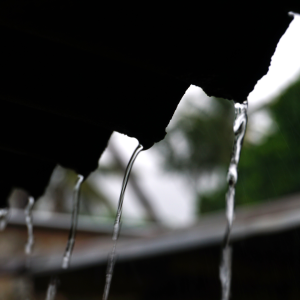
Implementing systems to collect and use rainwater further enhances sustainability.
CURRENT SITUATION

Mainland China

China faces significant water scarcity issues, with northern regions particularly affected. This has led to initiatives like the South-North Water Diversion Project, which aims to redistribute water resources.

The government has been promoting policies for water conservation and management to tackle water pollution and scarcity

Learn more


Hong Kong, SAR

Hong Kong relies heavily on imported water, primarily from the Dongjiang River in Guangdong province. This dependence raises concerns about sustainability and the need for water conservation measures.

The government has implemented the “Water Conservation Education Campaign” to promote responsible water use among residents

Learn more

Energy

Energy consumption is a significant factor in hydroponic systems, especially with lighting and temperature control. Efficient energy use is vital for sustainability.

Reducing Energy Use

10

Solar Panels

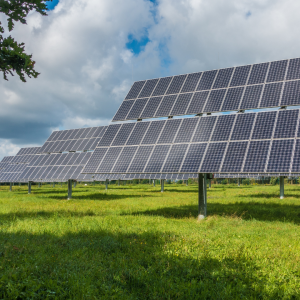
Utilizing solar energy can power hydroponic systems sustainably. LED Grow Lights: These energy-efficient lights provide the necessary spectrum for plant growth while consuming less power.
11

Smart Technology

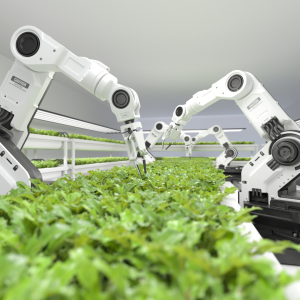
Automation and monitoring systems can optimize energy use by adjusting conditions based on plant needs.
CURRENT SITUATION

Mainland China

China is the world’s largest coal producer and consumer, posing serious environmental challenges. However, the country is rapidly investing in renewable energy, leading the world in solar and wind energy production.

China has set ambitious targets for carbon neutrality by 2060, focusing on reducing coal dependency and increasing renewable energy sources

Learn more

Hong Kong, SAR

Hong Kong’s energy supply is primarily sourced from natural gas and coal, with a significant push towards renewable energy sources to reduce emissions.

The government has set targets to increase the share of renewable energy in the energy mix, aiming for 30% by 2030.

Learn more

Substrates and Nutrients

13

Substrates

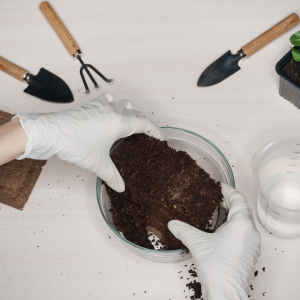
Hydroponics relies on specific substrates (e.g., rock wool and coconut coir) to support plants and nutrient solutions to provide essential elements for growth.
Common Misconceptions

Fichier 1TRUECreated by Poupsfrom the Noun Project

TRUE

  • Hydroponics can achieve faster plant growth compared to traditional soil gardening.

  • Nutrient solutions in hydroponics can be tailored to meet the specific needs of different plants.

  • Hydroponic systems can be more water-efficient than conventional farming methods.

Created by susi susantifrom Noun Project

FALSE

  • Hydroponics is only for large-scale commercial operations; it cannot be done at home.

  • All hydroponic systems rely on synthetic chemicals; organic nutrients cannot be used.

  • Hydroponic plants are less nutritious than those grown in soil.

SDG’s Sustainable Development Goals

Goal 2: Zero Hunger

The GBA has a high population density and limited arable land, making food security a pressing issue. Hydroponics can increase local food production, reducing reliance on imports and ensuring fresh produce is available year-round.

Goal 6: Clean Water and Sanitation

Water scarcity is a concern in many parts of China, including urban areas. Hydroponics uses significantly less water than traditional agriculture. Implementing these systems can promote efficient water management and conservation efforts.

Goal 8: Community Engagement

Hydroponics can serve as an educational tool, fostering sustainability awareness among communities and inspiring future generations to engage in responsible farming practices.

Goal 11: Sustainable cities and communities

The GBA is rapidly urbanizing, leading to challenges in maintaining green spaces and local food sources. Hydroponics can be integrated into urban environments, such as rooftops and vacant lots, enhancing green infrastructure and making cities more sustainable.

Goal 12: Responsible Consumption and Production

Urban areas often face food waste and resource inefficiencies. Hydroponics promotes sustainable agricultural practices by minimizing waste and optimizing resource use, encouraging responsible consumption patterns among residents.

Goal 13: Climate Action

Climate change poses significant risks to agriculture, especially in coastal urban areas like Hong Kong. Hydroponic systems can be designed to withstand extreme weather events, contributing to climate resilience by diversifying food sources and reducing carbon footprints.

Get Started Today!

Contact us to learn more about our services and how we can help you achieve your hydroponics goals!